The Royal Mansour in Marrakech was not built by a hotel company. It was commissioned by a king, and the king watched.
Mohammed VI owns the property and personally oversaw its construction. That single fact explains everything about the place. A developer builds to a budget. A monarch builds to a standard.
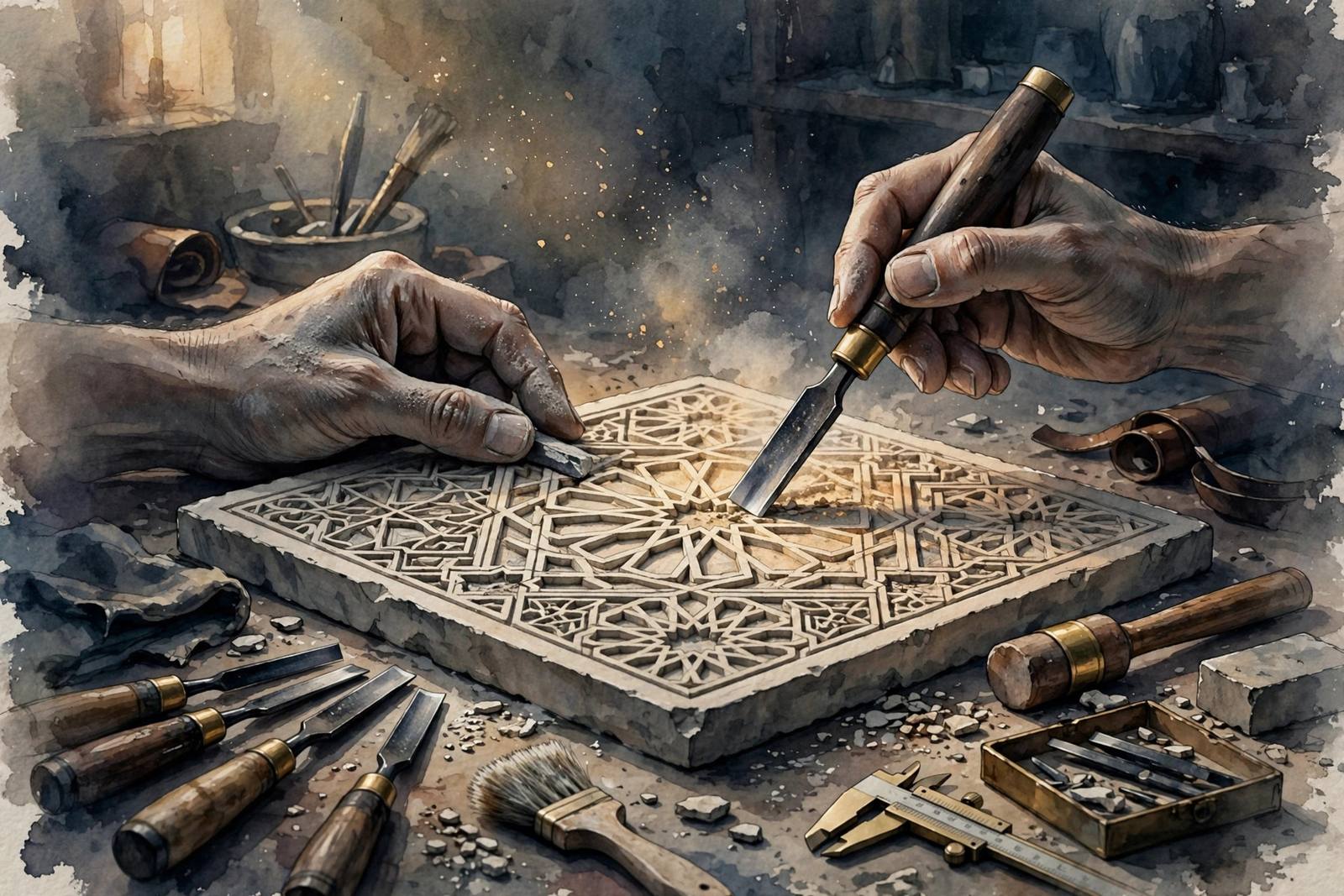
More than 1,200 artisans worked on the project for roughly three years. The number is worth pausing over. Twelve hundred hands, carving plaster and laying zellige and stitching leather, for a hotel of 53 private riads. The craft is not decoration. It is the building.
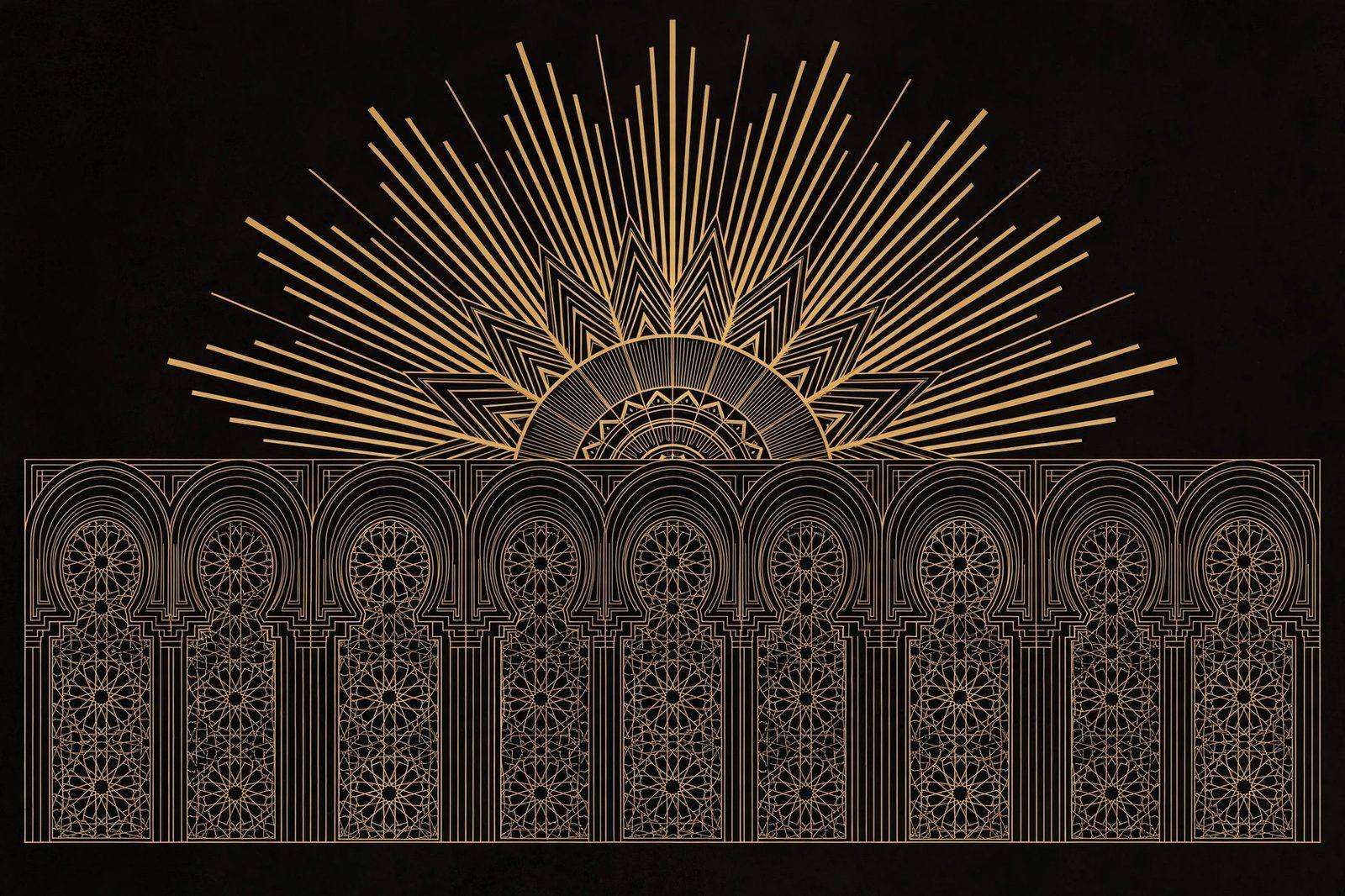
The hotel sits on 3.5 hectares in the medina. Fifty three riads open off Andalusian courtyards and winding alleys, with fountains, restaurants, and a Moroccan spa. The plan reads like a small town, because that is what the artisans built: a town of craft, compressed into a hotel.

Three years of artisan labor is an economic choice as much as an aesthetic one. It keeps a national craft alive by paying for it at scale. Every carved cedar ceiling is a training program. Every tiled courtyard is a pension for a skill.
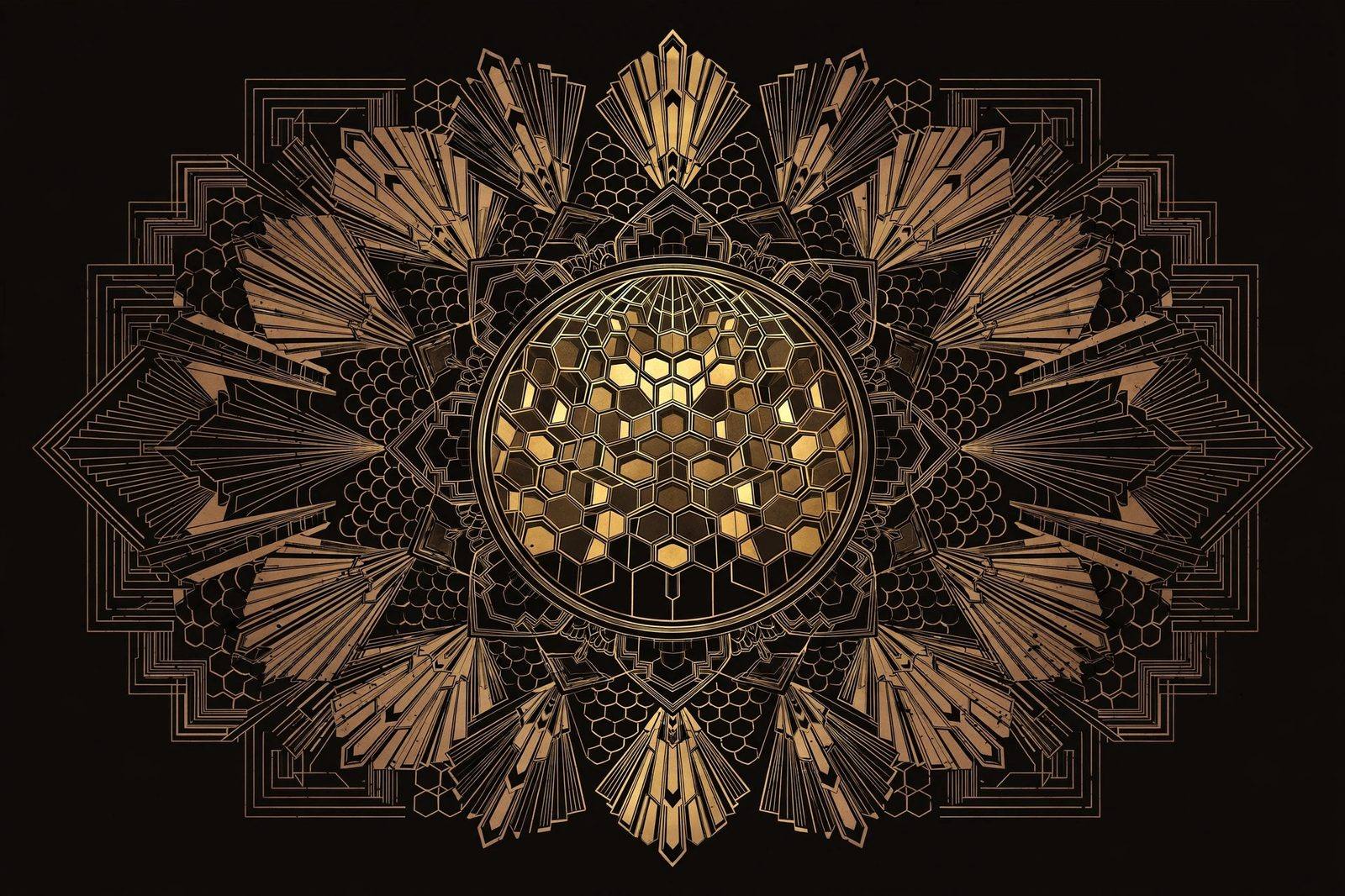
The Royal Mansour is the clearest modern statement of an old idea. A palace is not a building. It is a commission. And a commission this deliberate becomes, in time, a kind of national monument that happens to take guests.