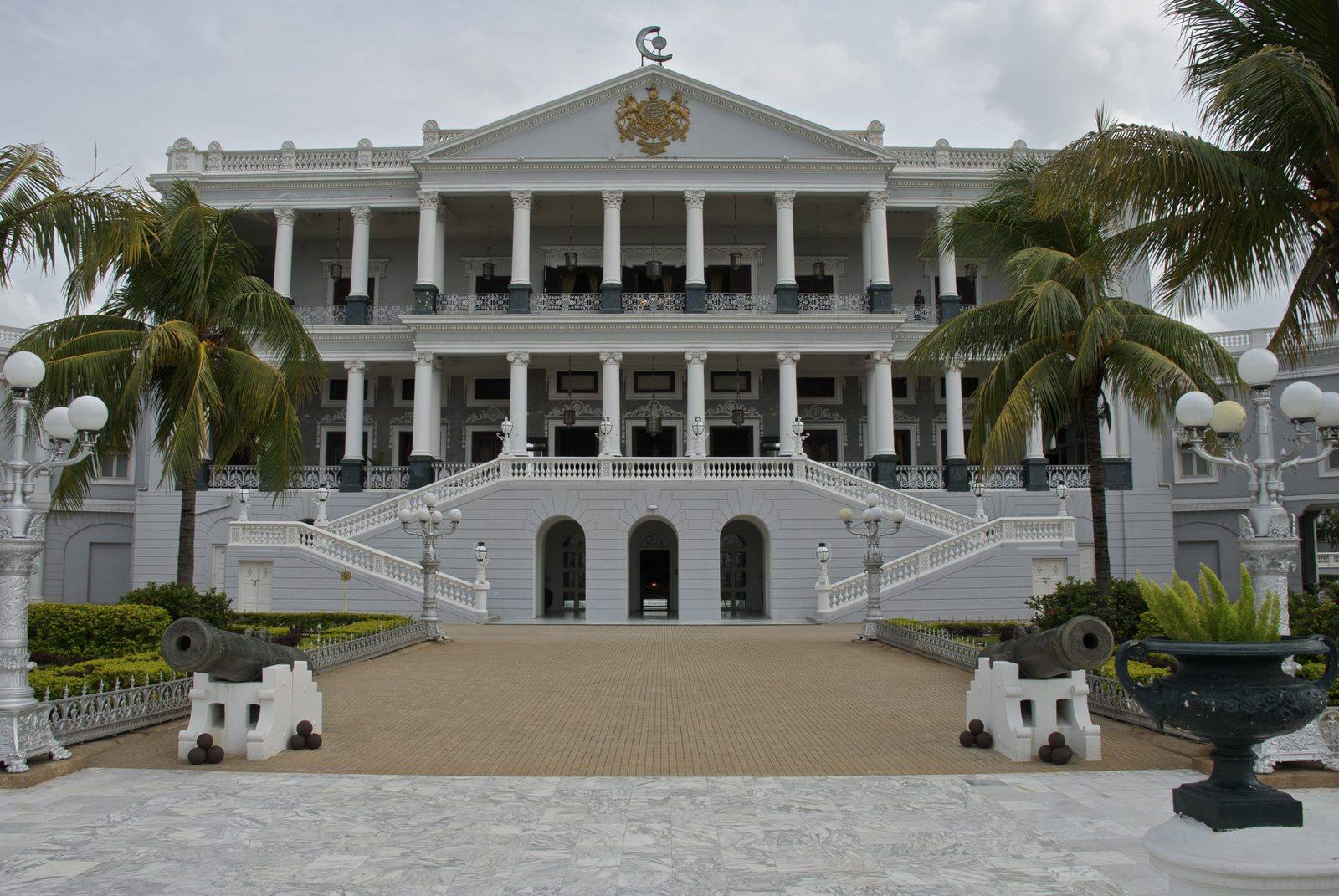
Arrival at Falaknuma is not an arrival. It is a ceremony with a driveway.
Guests are met by a horse drawn carriage. Rose petals fall. There is a ceremonial red point where the carriage stops, and a doorman who carries the palace symbol. Nothing is improvised. The ritual has been rehearsed until it looks like weather.
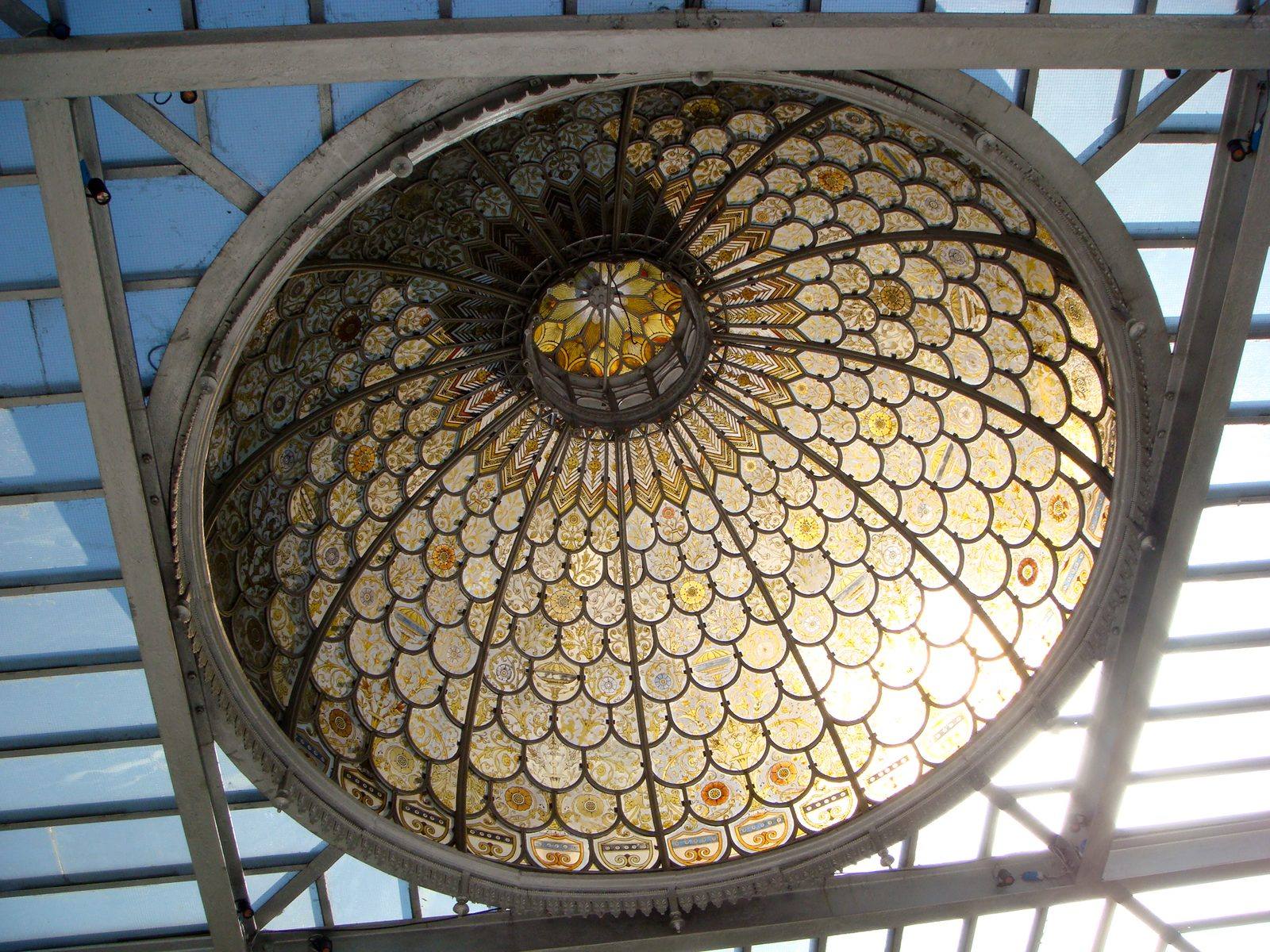
The palace above Hyderabad opened to hotel guests on 7 November 2010. It holds 60 rooms across 32 acres, and the building dates to 1884. The protocol matches the architecture. Both are deliberate, and both are older than any guest.
Protocol at this level is invisible labor. Someone decides where the carriage stops. Someone times the petals. Someone trains the doorman. The guest sees only the gesture. The gesture is the product of a hundred small decisions, none of them announced.
That is the point of royal protocol in a hotel. It is not nostalgia. It is a service discipline with its own choreography. The palace does not perform royalty. It performs care, in the old language.