India has the densest palace hotel circuit in the world. Three palaces, three centuries of royal life, one road between Udaipur, Jodhpur, and Jaipur.
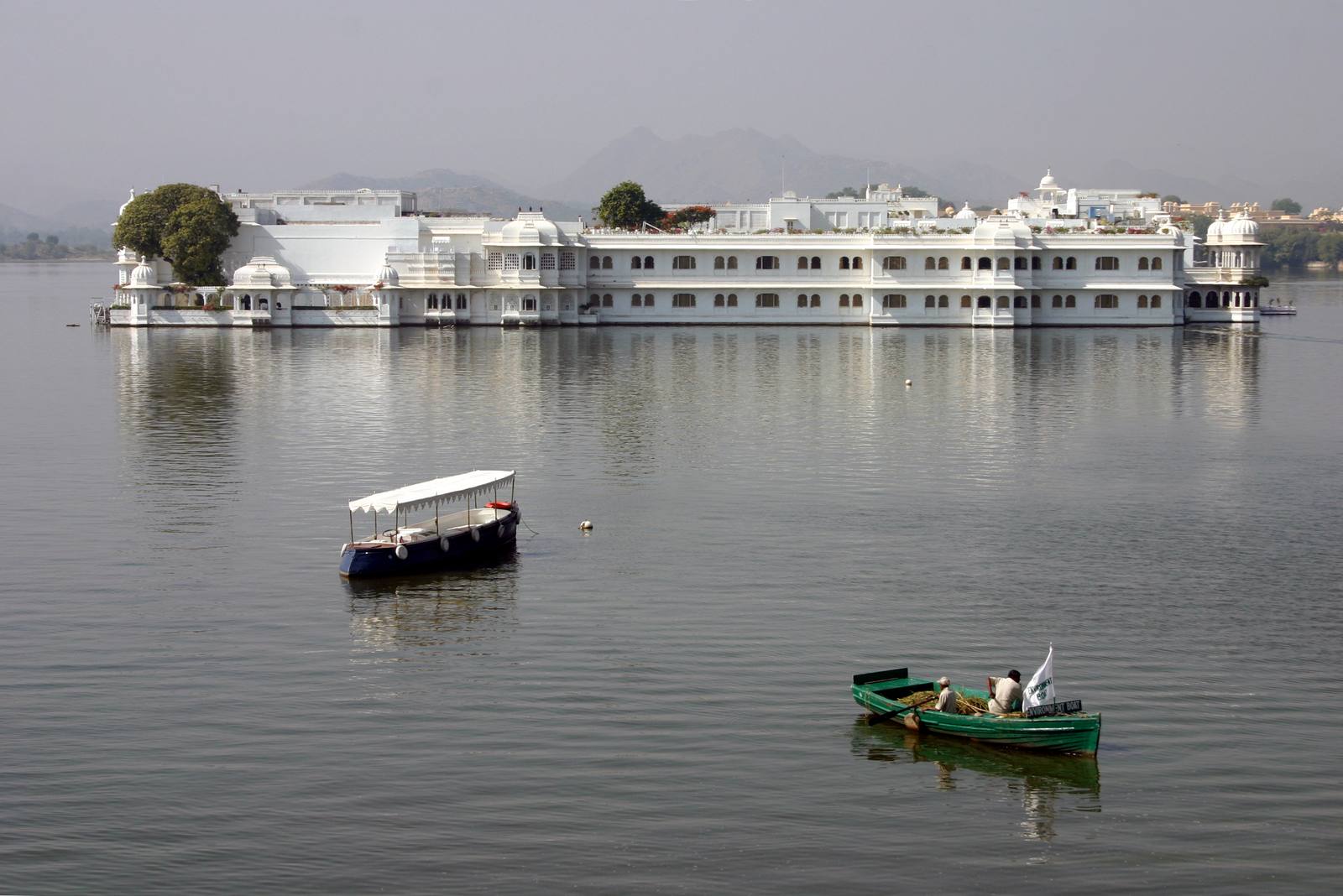
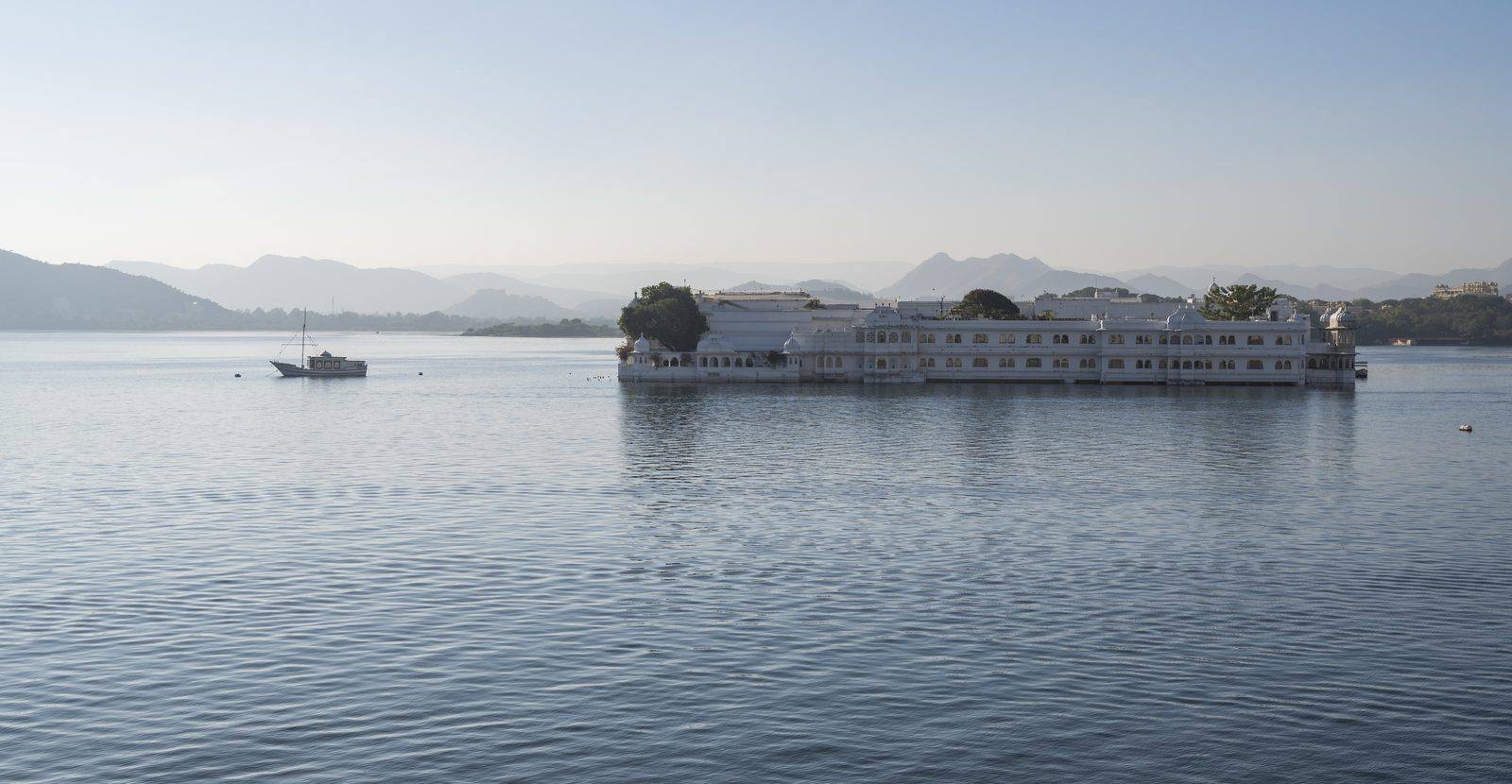
The circuit begins on the water. Jag Niwas was conceived between 1743 and 1746 by Maharana Jagat Singh II as a summer palace on Lake Pichola. It became a heritage hotel in 1963 under Maharana Bhagwat Singh. Today the Taj Lake Palace holds 65 rooms and 18 suites, all of them surrounded by water.
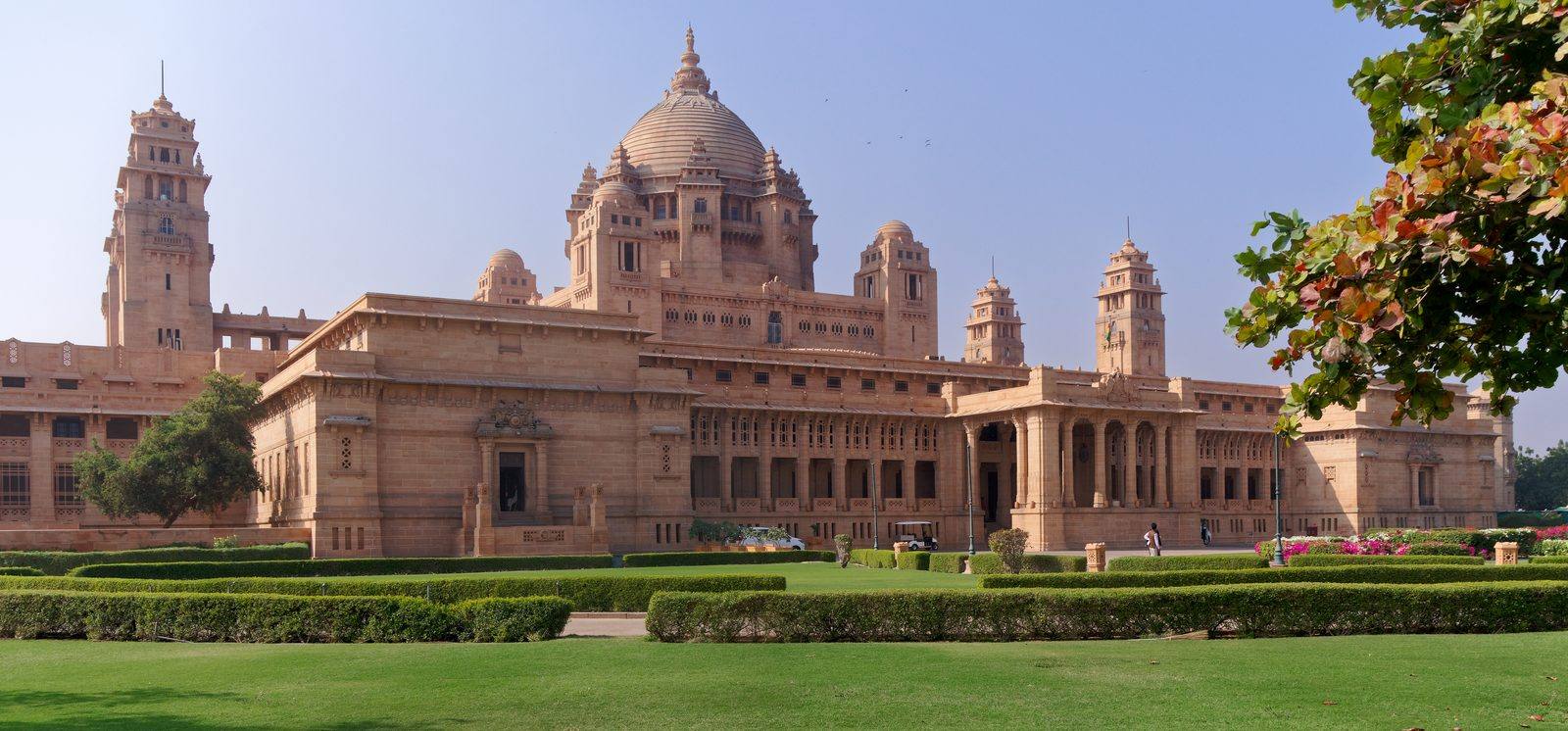
In Jodhpur the scale changes. Umaid Bhawan Palace was built between 1928 and 1943, commissioned in part to provide employment during drought and famine. It holds 347 rooms, and it remains the principal residence of the Jodhpur royal family. Part palace, part hotel, part working royal household.
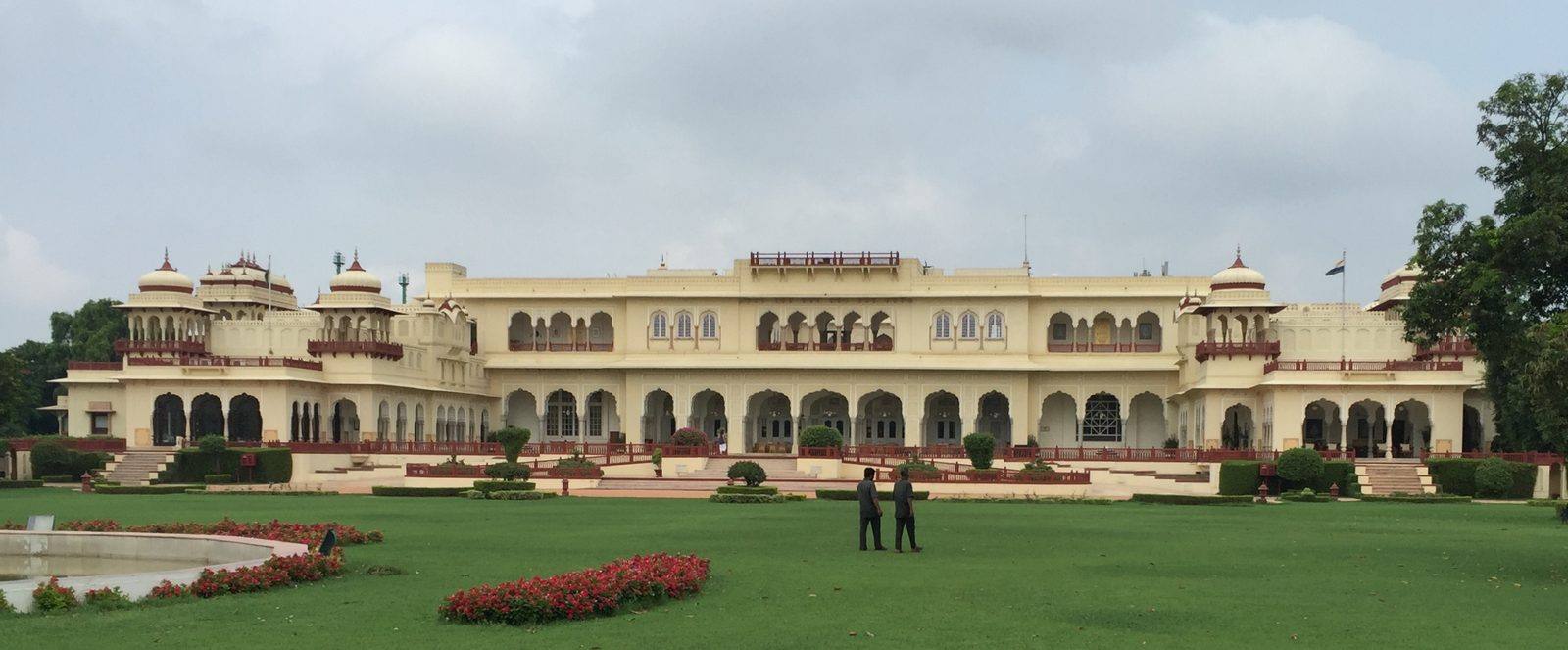
In Jaipur, Rambagh Palace layers three eras. A garden house in 1835. A hunting lodge in 1887. A royal residence with additions in 1931. It became a hotel in 1957 and came under Taj management in 1972. The building is a timeline you can sleep in.
Hyderabad supplies the southern stop. Taj Falaknuma Palace reopened on 7 November 2010 after a ten year restoration, with 60 rooms above the city. The circuit is complete: lake, desert, pink city, Deccan plateau.
What holds the circuit together is not a brand name. It is the logic of the Indian palace: built for ceremony, rescued by hospitality, kept alive by guests who pay to live, briefly, inside someone else's history.