
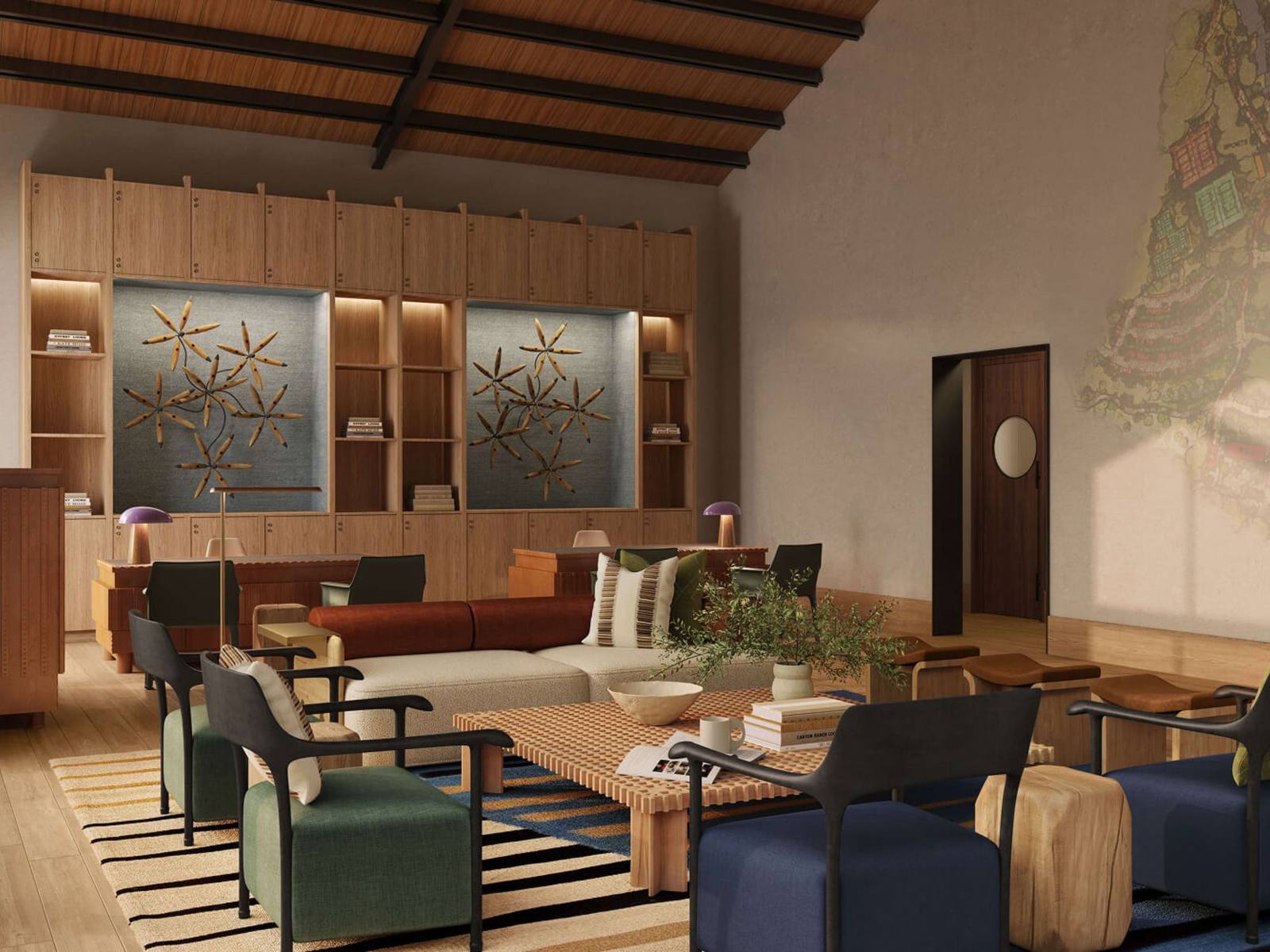
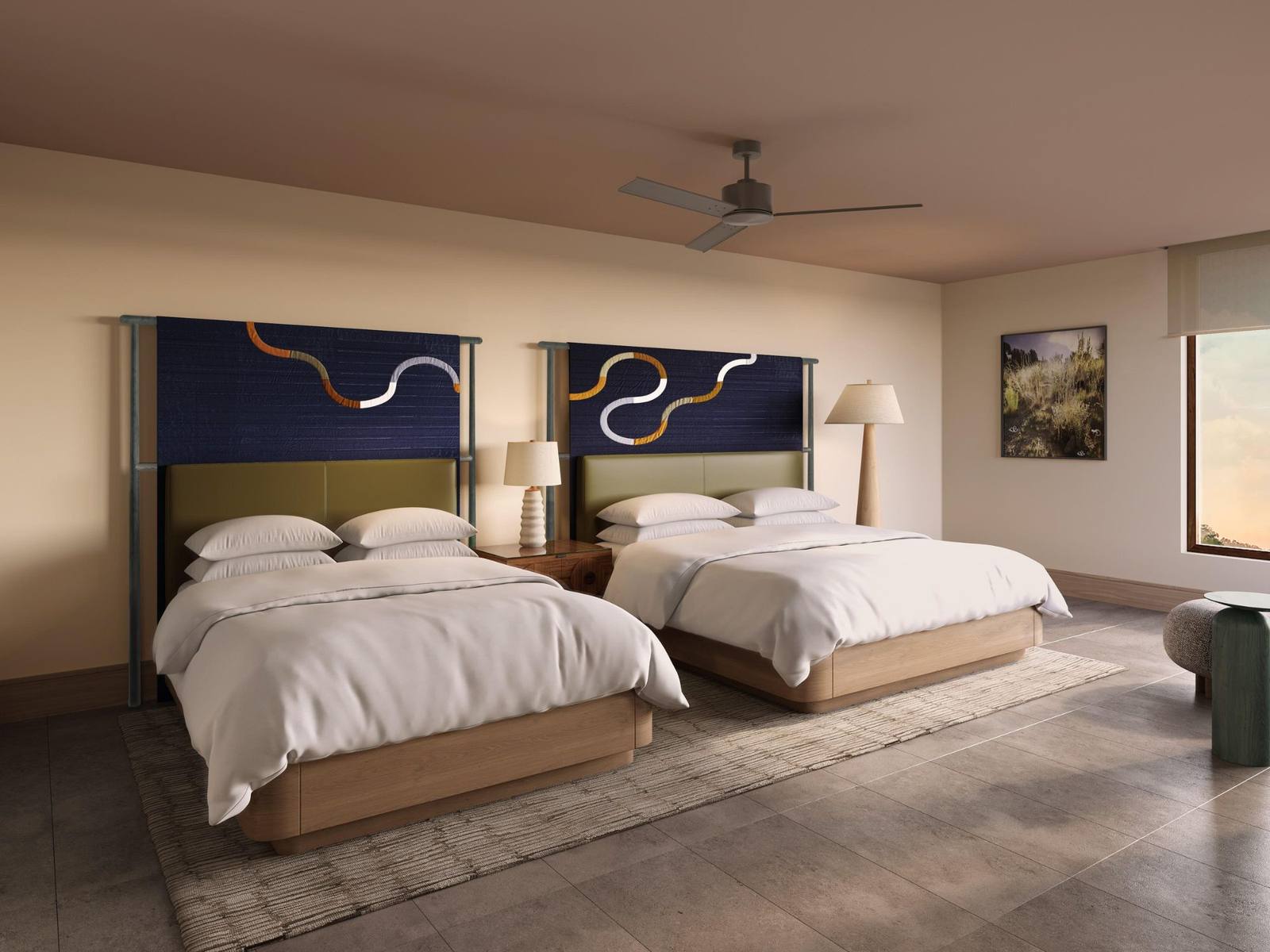
Texas has a new capital of doing nothing, thoroughly. On October 15, 2026, Canyon Ranch Austin welcomed its first guests in Spicewood, in the Texas Hill Country about 55 minutes from downtown Austin. The resort is the first that Canyon Ranch has built entirely from the ground up, and it lands with serious scale: 141 rooms spread across more than 600 acres of ranchland, with about 1.5 miles of shoreline on Lake Travis.
The brand behind it helped invent the category it now has to defend. Canyon Ranch began in Tucson, Arizona, in 1979 and built its name on the destination wellness stay, part spa, part clinic, part retreat. The Austin resort is its fullest modern statement of that model, folding health care, movement, outdoor adventure and resort hospitality into a single campus. The brand frames Austin as the direction its resorts take next: a single campus where travel, hospitality, health care and culture are designed as one experience.
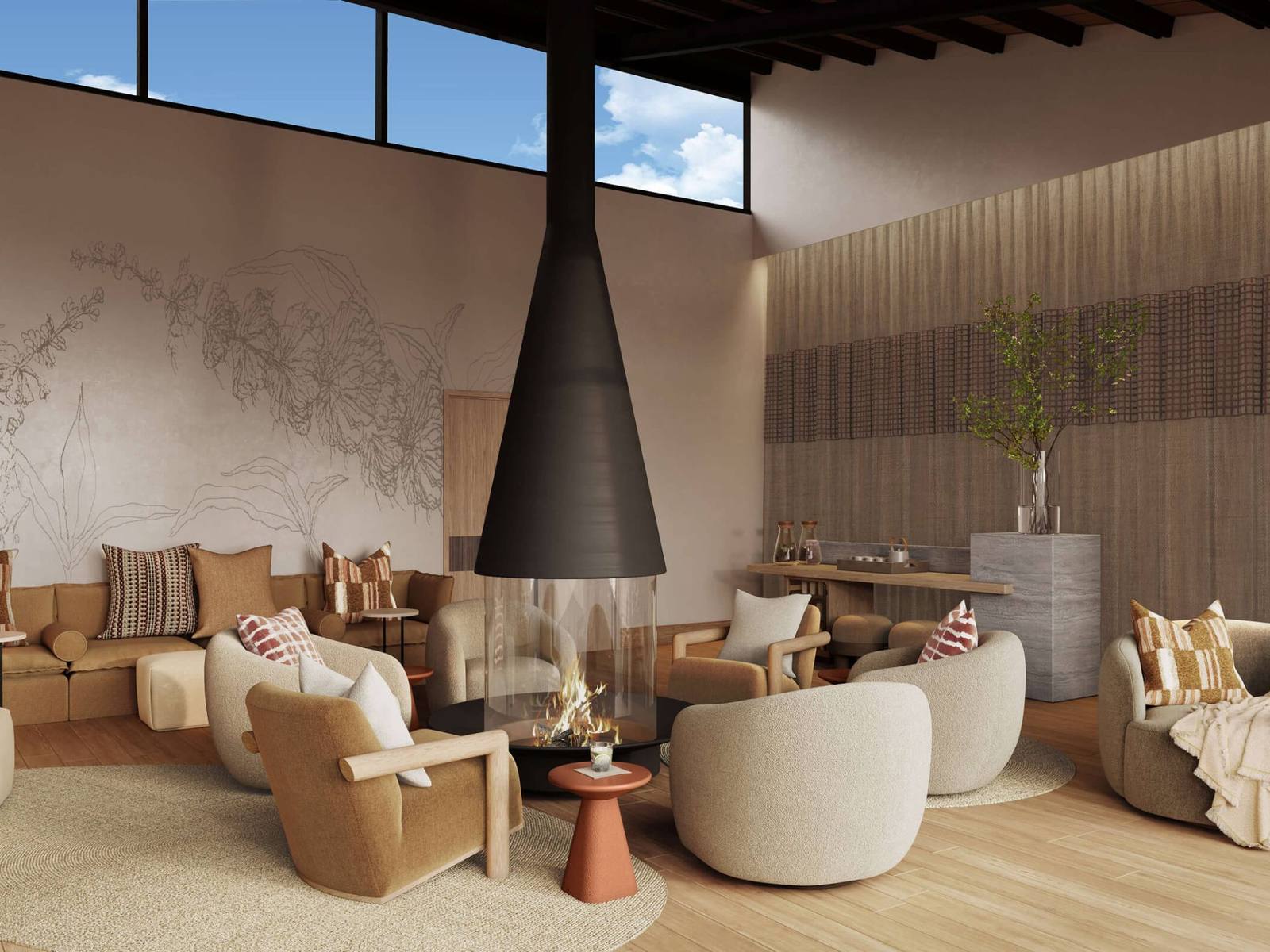
The headline number is the spa. At 40,000 square feet, Canyon Ranch presents it as the largest spa in Texas, with 37 treatment rooms joined by a salon, cedar sauna, aromatic steam rooms, indoor and outdoor whirlpools, a cold plunge and a courtyard with two pools, one of them saltwater. Daylight is used through the relaxation areas to support circadian rhythm, a detail that signals the resort's wider method: the building itself is treated as part of the programme, not just a container for it.
Movement gets its own architecture. A 27,000-square-foot complex called The Barn brings together a gym, movement studios, a yoga deck, training facilities, a recovery laboratory and outdoor exercise areas. A separate 12,000-square-foot health centre offers consultations and services from medical and wellness professionals, extending the offer from treatments into screening, prevention and longer-term health planning. For guests, the practical effect is a day that can be programmed almost hour by hour, or left deliberately empty.
The daily rhythm is the product. The resort programmes approximately 35 activities a day, spanning fitness classes, hiking and watersports, meditation and educational sessions, so a stay can be built as a structured retreat rather than a conventional resort holiday with a spa attached. Consultations and specialised services sit on top of that base programme, which is why the resort advises guests to check individual packages for what is included. The model rewards longer stays: the point is not a single treatment but a routine a guest can plausibly take home.
The most distinctive addition may be the Women's Wellness Collective, a dedicated resort-based programme addressing women's health at different stages of life. Canyon Ranch describes it as the first dedicated practice of its kind in a resort setting, and its presence underlines where the brand believes destination wellness is heading: away from generic pampering and toward specialised, medically informed programmes that give guests a reason to choose one ranch over another.
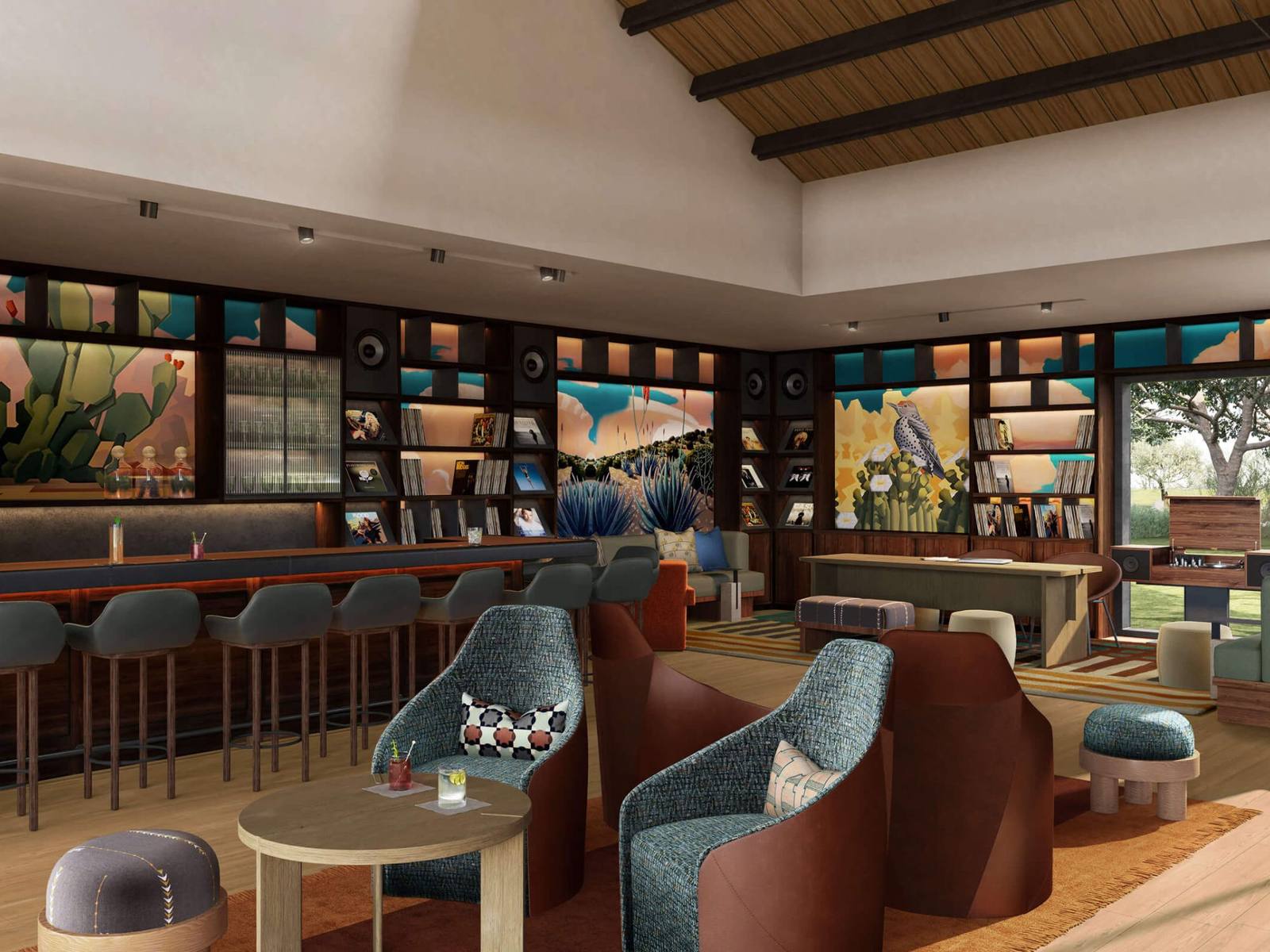
Food, often the weak point of wellness resorts, is treated as a headline act. The culinary programme is led by Val M. Cantu, the Texas-born chef whose San Francisco restaurant Californios holds three Michelin stars. Cantu serves as the resort's culinary director, and the signature restaurant, Estella, is one of four food and beverage venues on the property. The pitch is that nutrition-focused cooking and serious restaurant craft do not have to be opposites, and hiring a chef of Cantu's standing is the proof of intent.
The land does much of the remaining work. The estate runs over limestone hills, oak trees and wildflower meadows, with five miles of ranch trails, a private beach on Lake Travis and watersports on the lake, alongside tennis, pickleball and padel courts and an equestrian programme. The architecture, by Texas firm Lake Flato Architects, keeps the buildings low and folded into that landscape rather than stacked against it, so the resort reads as a Hill Country ranch first and a wellness campus second.
Beyond the hotel, the development includes The Ranch Home Collection, a residential community of 134 home sites whose owners get access to resort facilities and dedicated wellness services. It is a familiar Canyon Ranch extension of the model, turning a stay into a possible second home, and it underlines the size of the bet being placed on this shoreline. Austin's luxury map has been filling in fast, including a new wave of urban hotels downtown. Canyon Ranch Austin is the rural counter-offer: the state's largest spa, a medical centre, a three-star chef and 600 acres of quiet, an hour from the city it is named for.