Begin at the threshold. A grand hotel tells you everything in the first thirty seconds, before anyone says a word. Notice how the door is opened. Notice whether you are watched for or waited for. The difference is the difference between ceremony and courtesy, and a great house trades only in the second.
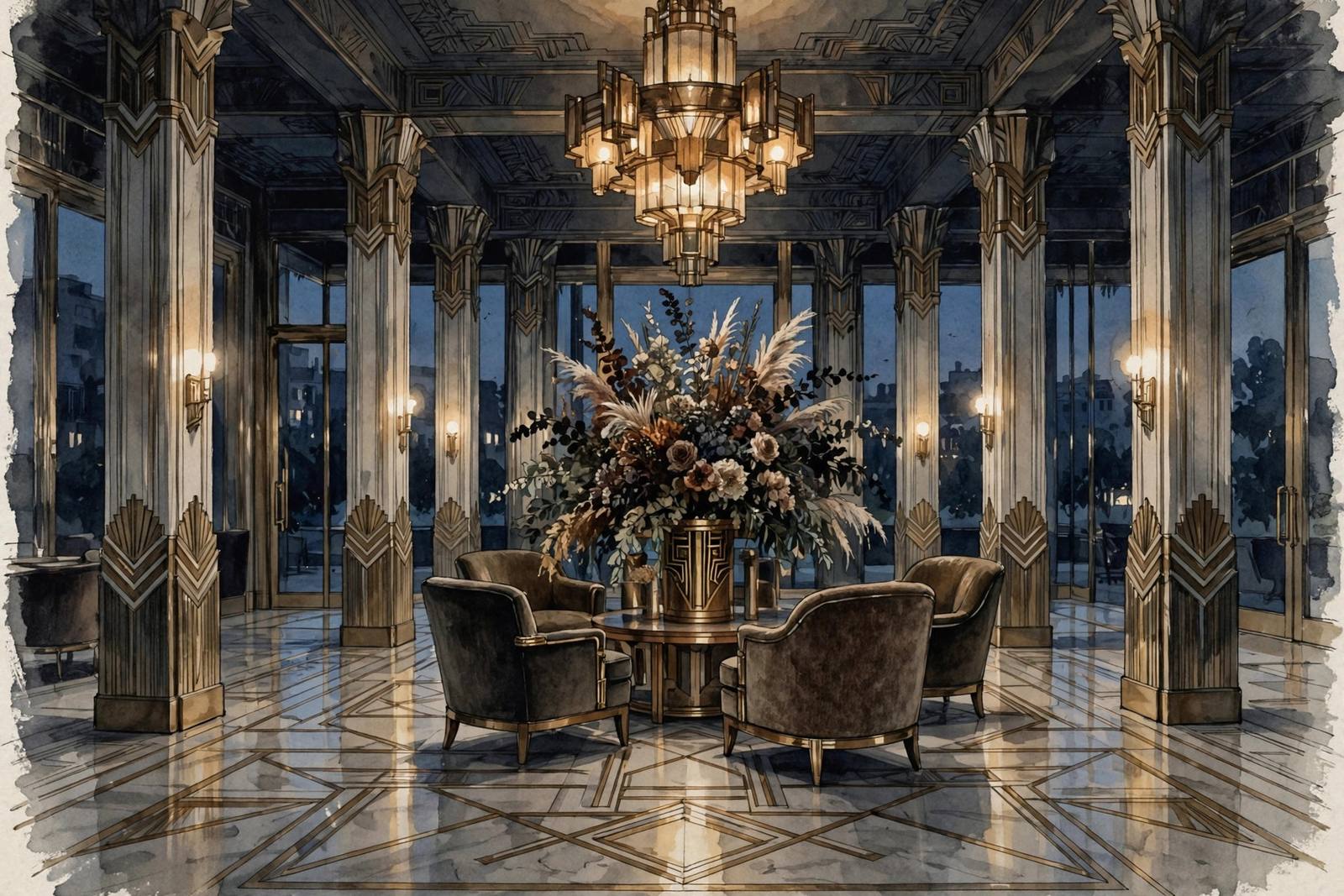
Then look at the lobby as a room, not as decor. Proportion first, furniture second. High ceilings and clear sightlines calm the eye; cluttered display cases and rope barriers do the opposite. Light matters more than marble. A lobby that glows softly at three in the afternoon was designed by someone who thought about three in the afternoon.
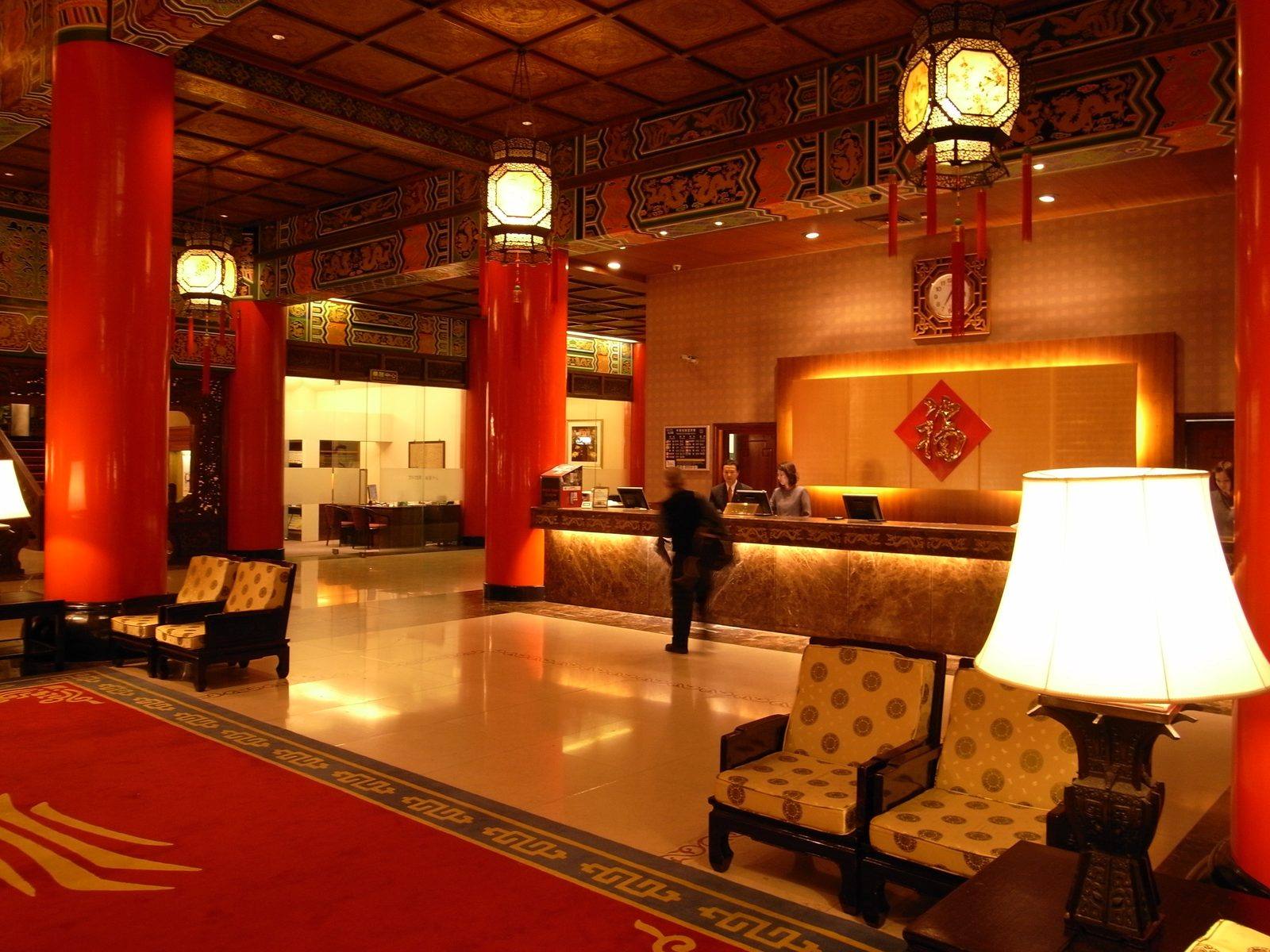
Watch the front desk. The best hotels make arrival disappear: names remembered from the booking, keys ready, no queue choreography. Ask a small, awkward question, something about a late train or a forgotten cable, and see how it is received. A grand hotel treats friction as its own failure. It solves, then forgets.
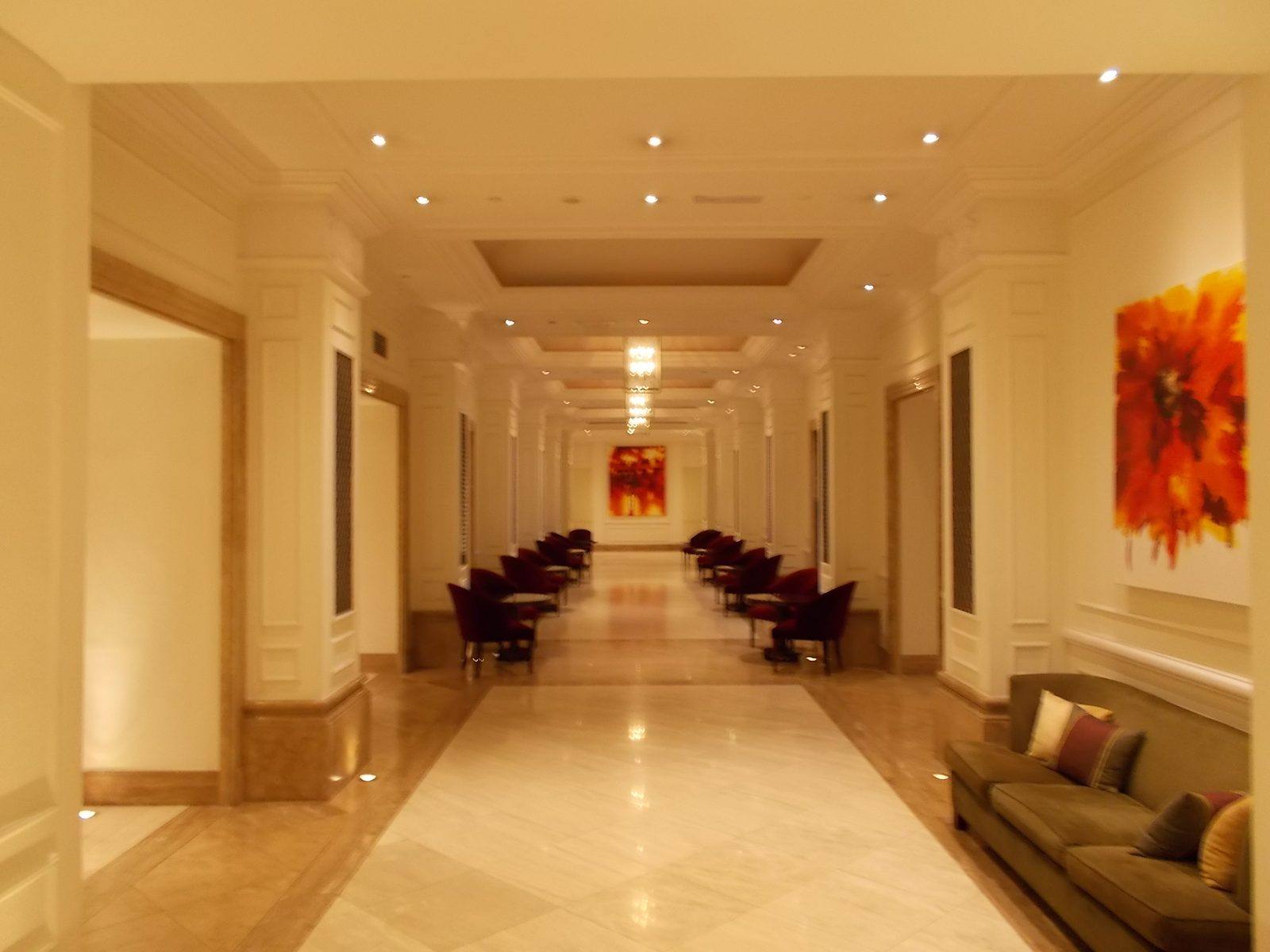
Walk the corridors. This is the part guests skip, and it is the most honest square footage in the building. Are the carpets worn into paths? Do the doors close with weight or with a rattle? A quiet corridor means real doors, real insulation, and a management that spends where nobody posts photographs.

Open your room and stand still. Before the view, read the bed: a mattress you sink into rather than bounce on, pillows that give without collapsing, sheets with weight. Then the bathroom. Run the shower and count. Good pressure arrives at once and holds. Look at the grouting and the hinges and the corners behind the door. Nothing hides in a grand hotel because nothing is hidden from maintenance.
Eat once in the main dining room, even if it is only breakfast. A tablecloth should fall to a certain length. Cutlery should be cool to the touch and perfectly aligned. The bread should be warm. Breakfast is where a hotel shows you its standards when the dining room is empty and the photographers are gone.
Finally, study the wear. Brass that is polished but thin, marble steps dipped in the middle, the grain of a banister smoothed by a century of hands: these are honors, not flaws. A grand hotel does not hide its age. It keeps it. What you are really reading, in every detail, is whether the house is maintained for the guest who arrives tomorrow or merely preserved for the guest who photographed yesterday.